
The 20-Mile Marathon Myth: Why Mandatory 20-Mile Runs Are Risky


The 20-mile long run is marathon training's biggest trap. Far from building ultimate endurance, this arbitrary milestone often destroys race day potential. Sports science is clear: for the vast majority of runners, crossing the 20-mile threshold inflicts severe physiological damage that completely eclipses any cardiovascular benefit.
Executive Summary (TL;DR)
For those short on time, here are the core scientific takeaways from this 5,500-word article:
- The 150-Minute Ceiling: Aerobic benefits (like mitochondrial growth) aggressively plateau after 2.5 hours. Passing this threshold exponentially increases structural damage without building further endurance.
- Hidden Recovery Debt: Pushing past your body's structural limits creates "hidden fatigue" that can cripple your Central Nervous System (CNS) and suppress neuromuscular function for weeks.
- Elite Plans Don't Scale: The 20-mile standard was built for elites who finish the distance in 2 hours. For everyday runners taking 3-4+ hours, it’s a direct path to overtraining and injury.
- The Solution is Time, Not Distance: TrainAsONE’s AI optimizes your Minimum Effective Dose (MED), capping your long runs dynamically to maximize adaptation while strictly prioritizing your safety.
The 20-mile (32-kilometre) long run has long been heralded as the ultimate rite of passage in traditional marathon training. However, an exhaustive review of contemporary sports science, biomechanics, and physiological modelling reveals that for the vast majority of non-elite runners, this arbitrary distance target introduces profound physical risks that drastically outweigh its purported benefits. This article synthesises decades of peer-reviewed research to deconstruct the "20-mile myth" and presents a safer, data-driven approach to endurance training, deeply aligned with the TrainAsONE philosophy of utilising continuous physiological modelling to determine an athlete's Minimum Effective Dose (MED).
Key scientific principles detailed in this article include the physiological reality of diminishing returns, wherein cellular adaptations — specifically mitochondrial biogenesis and capillary density — reach a time-independent asymptotic plateau after approximately 150 minutes of continuous exercise.1 Extending a run beyond this threshold provides negligible aerobic enhancement while triggering an exponential increase in structural damage. As fatigue alters running mechanics, ground contact time and peak tibial acceleration increase significantly, directly correlating with acute muscle damage markers such as Lactate Dehydrogenase (LDH) and Creatine Kinase (CK).1 Furthermore, massive single-session efforts induce profound Central Nervous System (CNS) fatigue and endocrine disruption, driving muscle protein breakdown and suppressing neuromuscular function for up to a week.1
The pursuit of arbitrary distance targets frequently results in "hidden fatigue," a physiological state where accumulated internal stress outpaces recovery, drastically increasing the Hazard Rate Ratio (HRR) for running-related injuries.7 Modern sports science advocates abandoning generic mileage templates in favour of cumulative fatigue models, "time on feet" parameters, and dynamic artificial intelligence systems. By optimising for sustainable growth and prioritising the Minimum Effective Dose, athletes can achieve peak marathon readiness without the extreme injury risks associated with the traditional 20-mile standard.
The Psychological Barrier versus Physiological Reality
When athletes register for a marathon, the training process often unfolds in a predictable and rigid manner. A generic, static training plan is adopted, and adherence to its exact mileage prescriptions is viewed as the primary metric of dedication. Within these plans, a specific weekend usually looms large, inducing a profound sense of anxiety: the day of the 20-mile long run.9 In everyday endurance mythology, the 18-to-22-mile long run represents the ultimate crucible. The prevailing belief suggests that if a runner does not cross this magical threshold in training, they will inevitably succumb to severe glycogen depletion — known colloquially as "hitting the wall" — on race day.9
This expectation creates a powerful psychological barrier that conflates mental reassurance with physiological necessity. Runners seek the mathematical certainty that if they can complete 20 miles in training, they possess the stamina to survive the final 6.2 miles of the race.9 However, the human body does not recognise distance as a standalone variable; it only recognises mechanical stress, metabolic demand, and time under tension.12 When everyday athletes blindly copy the training templates of elite marathoners, they subject their musculoskeletal and central nervous systems to extreme, uncalculated loads.9
The result of this systemic overexertion is a high prevalence of running-related injuries. Epidemiological studies analysing marathon training blocks indicate an overall injury prevalence of up to 43%, primarily affecting the knees and feet.14 Rather than questioning the efficacy of the 20-mile standard, the running community has traditionally accepted these high injury rates as an unavoidable consequence of the sport. By analysing the historical origins of the practice, the biochemical limits of endurance adaptations, and the biomechanical consequences of profound fatigue, it becomes evident that capping long runs by time — and utilising dynamic, AI-driven Minimum Effective Dose methodologies — is vastly superior to chasing arbitrary distance targets.
The Origin of the 20-Mile Myth
To understand why the 20-mile run became the gold standard for marathon preparation, it is necessary to examine the origins of modern endurance coaching. The practice was not derived from rigorous, double-blind physiological studies on recreational athletes. Instead, it emerged from the observational training logs of elite runners in the mid-twentieth century, whose unique biological capacities were subsequently generalised to the broader public.
The Elite Antecedents
The concept of the 20-to-22-mile long run is largely traced back to the legendary New Zealand coach Arthur Lydiard in the 1960s. Lydiard routinely prescribed 22-mile runs for his athletes over the Waitakere mountain ranges.15 However, a crucial piece of context is often omitted when modern static plans adopt Lydiard's methods: his athletes were world-class middle-distance and long-distance runners capable of running four-minute miles.15 When Lydiard's athletes embarked on a 22-mile Sunday long run, they would complete the distance in little more than two hours, eventually running at paces faster than six minutes per mile.15 For these elites, 22 miles equated to approximately 120 to 140 minutes of aerobic work.
“The fundamental flaw in modern recreational marathon training is the direct, linear transposition of elite distance targets onto non-elite physiology.
”
Similarly, Derek Clayton, the Australian marathon world record holder throughout the 1970s, famously completed a 25-mile run every Saturday as part of a staggering 150-to-160-mile weekly training volume.15 Given Clayton's legendary toughness and standard training paces, these 25-mile efforts were also completed in roughly 2.5 hours.15 While Clayton's marathon world record stood for over a decade, his extreme methodology came at a severe physical cost. He suffered massive structural damage over his career, requiring surgery eight times to address the toll of his training.15 Very few modern elite athletes routinely replicate Clayton's brutal weekly long-run distances due to the established and severe injury risks.15
The Mathematical Disconnect for the Recreational Runner
Renowned exercise physiologist and coach Jack Daniels famously established that a long run should never exceed 25% to 30% of a runner's weekly mileage, and crucially, should be capped at 2.5 to 3 hours in duration.10
The rationale behind this limit is entirely mathematical and physiological. Consider an elite athlete with a marathon goal time of 2 hours and 37 minutes. Running at an easy aerobic pace, this athlete can effortlessly cover 20 to 22 miles within a 2.5-hour window.10 The stress applied to their body is strictly limited to 150 minutes of continuous impact.
Conversely, consider a recreational runner targeting a 4-hour and 30-minute marathon. At an appropriate, conversational training pace, this runner might require 3.5 to over 4 hours to cover 20 miles.9 By demanding that this individual run 20 miles to fulfill the requirements of a static training plan, the programme forces the athlete into a duration of exercise that elite athletes deliberately and systematically avoid. The recreational runner is thus subjected to 210 to 240+ minutes of continuous musculoskeletal pounding.
This extended duration far exceeds the body's capacity for positive adaptation and enters a zone of profound structural degradation. The 20-mile barrier is, therefore, a psychological construct that ignores the universal biological currency of training: time and intensity.9
Structural Damage versus Aerobic Benefit
The core argument against the mandatory 20-mile long run is deeply rooted in cellular biology. The purpose of a long run is to build endurance fitness, stimulate the aerobic base, improve running economy, and enhance the body's ability to metabolise fat as a primary fuel source.10 However, the physiological mechanisms responsible for these improvements do not scale infinitely with distance.
Mitochondrial Biogenesis and Asymptotic Plateaus
Mitochondria function as the aerobic powerhouses of skeletal muscle cells. Endurance training triggers mitochondrial biogenesis — the creation of new mitochondria — and improves the functional capacity of existing networks, a process highly correlated with improved endurance performance and aerobic capacity.18 A key marker of this cellular adaptation is the expression of the transcriptional coactivator peroxisome proliferator-activated receptor-α coactivator-1α (PGC-1α) and the subsequent concentration of cytochrome c.1
Decades of physiological research demonstrate that mitochondrial adaptations offer diminishing returns the longer an athlete exercises.1 A seminal study evaluating biochemical adaptations across different muscle fiber types established that the pattern of cytochrome c concentration change follows a first-order kinetic response as daily run times increase.1 This indicates the existence of final, "time-independent asymptotic values" for cellular adaptation.1
Once a runner reaches a certain duration for a specific intensity, the cellular adaptive response hits a ceiling.1 For fast-twitch red fibers, this maximal time-independent response is reached relatively quickly at submaximal workloads; pushing the duration further yields no additional increases in cytochrome c concentration.1 Furthermore, increases in capillary density — the formation of new blood vessels that improve oxygen delivery to the working muscles — are likely capped at a certain volume of continuous training.3
“The cardiovascular system does not count miles; it solely registers that it has operated at an elevated stroke volume and metabolic rate for 150 minutes.
”
The 150-Minute Threshold
When these cellular limits are translated into practical coaching metrics, a clear temporal boundary emerges. Physiological and structural responses to continuous aerobic exercise are largely maximized between 2.5 and 3 hours.1
Prolonging an endurance session beyond three hours provides a remarkably weak stimulus for further mitochondrial biogenesis or capillary formation.1 Practically speaking, the majority of aerobic adaptations occur during the first 60 to 90 minutes of exercise. As the run continues, the rate of new adaptations progressively slows, eventually plateauing as the clock ticks past the 150-minute mark.2 The human organism simply exhausts the molecular signalling capacity required to trigger further aerobic upgrades during such a long single continuous run.
A four-hour, 20-mile run does not impart more endurance fitness than a highly focused 2.5-hour, 16-mile run. The extra 90 minutes of running yield almost zero additional aerobic benefit, but they exact a massive and measurable toll on the runner's structural and neurological integrity.
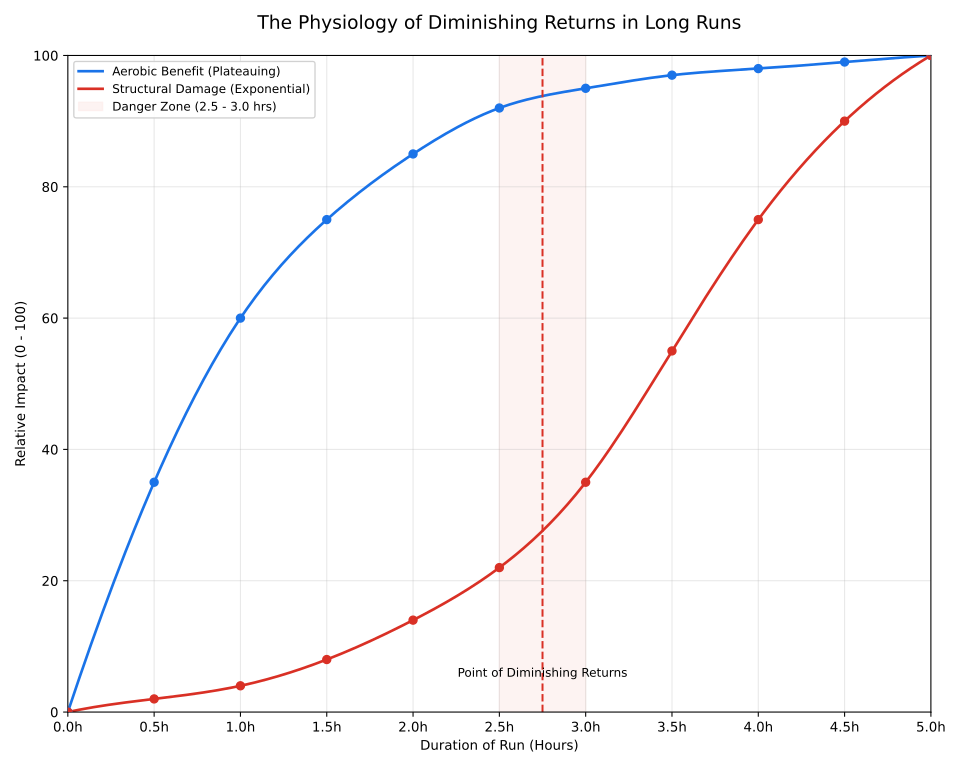
Key Takeaways from the Data:
- The Plateau: By the 2.5-hour mark, you have already achieved roughly 92% of the potential aerobic benefits (mitochondrial growth, capillary density).
- The Exponential Risk: While the aerobic curve flattens, the structural damage curve (muscle micro-tears, connective tissue strain) begins to climb sharply. Between 3.0 and 5.0 hours, the damage nearly triples, while the aerobic benefit only gains a marginal 5%.
- The "Danger Zone": The shaded area between 2.5 and 3.0 hours represents the point where the cost of the run (recovery time and injury risk) begins to outweigh the physiological gains.
The Biomechanics of Fatigue
If the aerobic benefits of running plateau at three hours, the critical physiological question becomes what occurs within the body during hours three, four, and five of a forced 20-mile marathon training run. The answer lies in the cumulative, exponential accumulation of musculoskeletal microtrauma and neurological exhaustion. Runs extending into the four-hour mark and beyond are categorized by sports scientists as definitive "breaking down events".1
Prolonged endurance running causes the lower limbs to absorb impact forces equal to 1.5 to 3 times the runner's body mass with every single step.1 Over a 20-mile run, this equates to roughly 30,000 to 40,000 localized impacts. As systemic fatigue sets in, the body loses its mechanical efficiency and its ability to attenuate these shockwaves.
Advanced field-based studies utilising inertial measurement units (IMUs) to track running gait coordination during long-distance runs reveal severe biomechanical alterations under fatigue. Research on runners completing half-marathon and exhaustive treadmill protocols indicates that as the athlete tires, peak tibial acceleration — the raw shock transferred directly to the shin bone — increases significantly.4 A study investigating 28 trained endurance runners performing a time-to-exhaustion test at 85% of their VO2max demonstrated that peak tibial acceleration increased substantially at both 75% and 100% of their exhaustion timeline.5
Furthermore, fatigued runners exhibit an increase in peak rearfoot eversion velocity, a prolonged ground contact time, and an overall increased duty factor (the ratio of ground contact time to total stride time).4 The shift in joint moments indicates that the hip extensors — specifically the gluteal and hamstring muscle groups — are highly susceptible to fatigue. This forces a compensatory, high-impact burden onto the knees and ankles.24
These altered running mechanics greatly increase the mechanical strain on connective tissues, bones, and tendons. The structural damage incurred during the final miles of a forced 20-mile run is the primary catalyst for tibial stress fractures, Achilles tendinopathy, and patellofemoral pain syndrome.14
Biochemical Markers of Muscle Damage
The structural degradation associated with ultra-long training runs is easily measurable via blood chemistry analysis. Vigorous, prolonged physical effort generates transient but severe elevations in biomarkers associated with acute muscle damage.1
The primary biomarkers illustrating this breakdown include:
- Lactate Dehydrogenase (LDH): This intracellular enzyme leaks into the bloodstream when muscle tissue is damaged. Studies on marathon runners show that LDH increases immediately after a prolonged run, directly correlating with energy expenditure, and can remain significantly elevated for up to 192 hours (eight days) post-exercise.1
- Creatine Kinase (CK): A key biomarker for the inflammatory response in skeletal muscle, CK values peak roughly 24 hours after intense, prolonged exercise. The magnitude of the CK spike is directly proportional to the level of muscle damage, often remaining significantly elevated for up to 96 hours.1
- Oxidative Stress and Inflammatory Response: The prolonged metabolic demand of a 20-mile run increases the production of reactive oxygen species (ROS) and free radicals. Markers of oxidative stress, such as thiol-oxidized albumin and malondialdehyde, peak around two days post-run and remain elevated for nearly a week.1 Additionally, high-sensitivity Troponin T (hs-TNT), a standard marker for myocardial stress, increases significantly and requires up to 96 hours to normalize.1
These biomarkers demonstrate that forcing the body past the three-hour mark creates a profound inflammatory storm. The symptoms of Exercise-Induced Muscle Damage (EIMD) — soreness, swelling, reduced range of motion, and depressed force production — become a major limiting factor in an athlete's ability to absorb subsequent training.1
Endocrine Disruption and CNS Suppression
Marathon running is not solely a musculoskeletal challenge; it is a profound neurological and endocrine event. The Central Nervous System (CNS) controls muscle recruitment, reflexes, coordination, and the perception of effort. Massive single-session endurance efforts induce severe CNS fatigue.6
Research shows that post-exercise fatigue from prolonged running suppresses neuromuscular function for three to five days.6 CNS fatigue slows reaction times, impairs motor control, and reduces muscle activation, even if the localized muscle tissue feels superficially recovered.6 The cumulative fatigue can even impact the myelin sheath — the protective coating around nerve fibers — disrupting efficient signal transmission.6 Studies utilising squat jump testing before and after marathon distances confirm that neuromuscular power remains suppressed long after the cardiovascular system has stabilised, requiring up to 96 hours of targeted recovery to return to baseline.29
Concurrently, the endocrine system is thrown into chaos. Cortisol, the primary stress hormone, spikes significantly during prolonged endurance events, driving systemic inflammation and accelerating muscle protein breakdown.6 Simultaneously, anabolic hormones necessary for tissue repair, such as testosterone and growth hormone, temporarily decrease.6 It can take 7 to 14 days for the hypothalamic-pituitary-adrenal (HPA) axis to recalibrate and for hormonal levels to stabilise post-run.6 The immune system also experiences an "open window" of suppression, marked by a drop in salivary immunoglobulin A (IgA), leaving athletes highly susceptible to upper respiratory tract infections.6
When a recreational runner subjects themselves to a four-hour, 20-mile training run, they plunge their CNS and endocrine system into a deep state of suppression. The sheer length of the required recovery disrupts the remainder of their training block, leading directly to the phenomenon of hidden fatigue.
The Risk of Hidden Fatigue
The physiological toll of the 20-mile run leads to a critical breakdown in the overarching training architecture. When an athlete requires seven to ten days to recover from a single weekend long run, they are forced into a lose-lose scenario: they must either skip subsequent mid-week workouts to rest, thereby losing fitness, or they must push through the lingering fatigue, dramatically increasing their risk of injury.
Defining Hidden Fatigue
In the context of sports science, "hidden fatigue" occurs when performance dips or stagnates despite the athlete executing the training plan, primarily because the accumulation of internal physiological stress outpaces the body's recovery capacity.8 It is often masked by psychological determination and the superficial recovery of peripheral muscle soreness.
A runner's external load — such as hitting the 20-mile target — might look successful on a GPS watch or in a training log, but the internal load representing the actual physiological cost is unsustainable. Early warning signs of hidden fatigue include suppressed Heart Rate Variability (HRV), poor sleep architecture, resting tachycardia, chronically elevated perceived exertion for easy paces, poor execution of speed work training, and impaired cognition.8
When runners stubbornly adhere to traditional static plans featuring 20-mile runs, they routinely turn easy mid-week days into moderate struggles, stacking physical load on top of an unhealed CNS and compromised muscle tissue.8 This creates a massive recovery debt. The integration of artificial intelligence in athletic monitoring has repeatedly shown that low HRV values correlate strongly with high injury risk scores, detecting this hidden fatigue long before the athlete feels an acute, physical pain.33
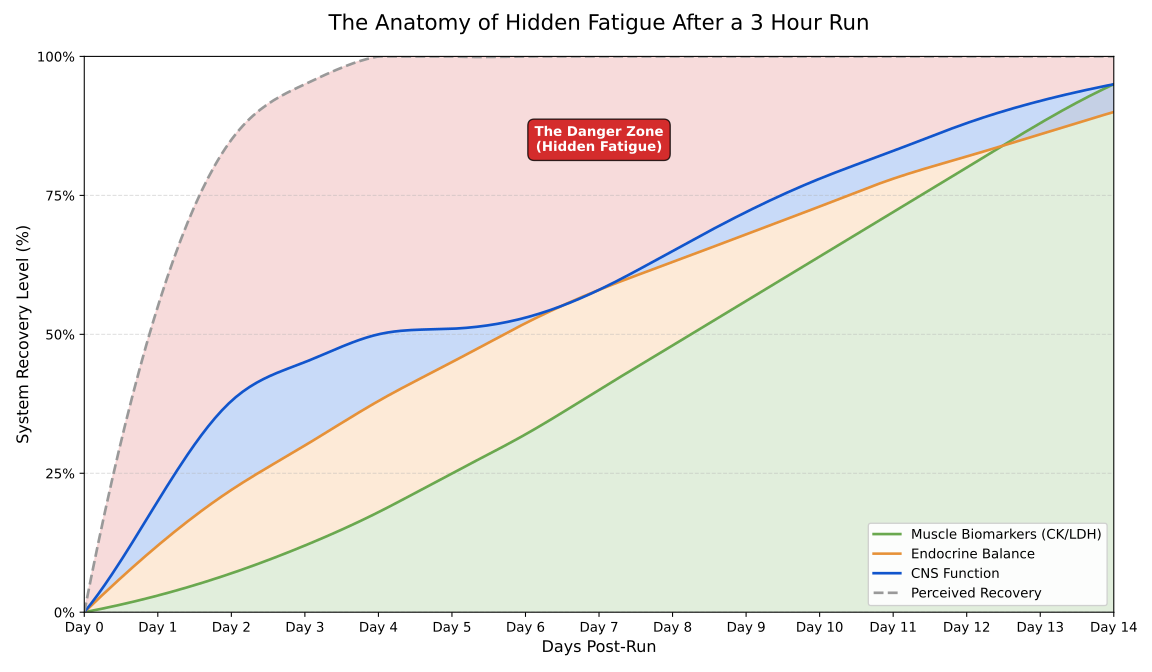
Key Takeaways from the Data:
- The Illusion of Readiness: A runner may feel subjectively recovered (reaching 100% "Perceived Recovery") by Day 4 or 5, masking deep underlying fatigue.
- Deep-System Lag: Crucial physiological foundation blocks, such as Central Nervous System (CNS) function and Endocrine balance, can take up to 14 days to fully stabilize after a massive single-session effort.
- The "Danger Zone": Reintroducing heavy training volume or intensity between Days 4 and 10 occurs while muscle biomarkers and the CNS are still struggling, skyrocketing the chance of acute injury and overtraining syndrome.
This risk is heavily amplified when repeated over a multi-week training cycle in traditional static plans. When long runs are blindly scheduled every 7 days, the runner's perceived recovery repeatedly resets to acceptable levels, masking the reality that their underlying systemic debt is compounding deeper into deficit each week.
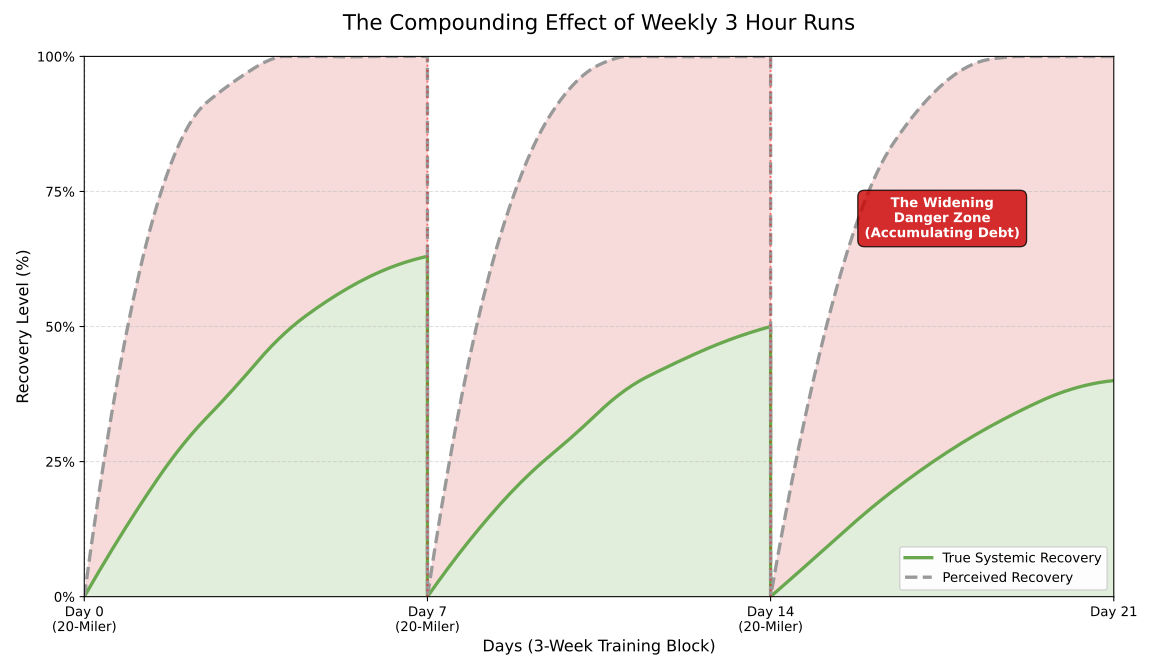
Key Takeaways from the Compounding Data:
- The Widening Gap: Because deep systemic recovery (CNS/Endocrine) requires around 14 days, a strict 7-day long-run cycle guarantees the athlete is progressively starting each subsequent long run in a deeper state of systemic fatigue.
- The Perceived Readiness Trap: Perceived muscular recovery reliably bounces back completely each week, giving the dangerous psychological illusion that the body is fully prepared for another massive strain.
- Inevitable Breakdown: By the third week of the training block, the true systemic readiness has plummeted drastically, often leading to acute failure (severe injury, sickness, or overtraining syndrome) immediately before race day.
The Statistical Reality of Marathon Injury Rates
The epidemiological data surrounding marathon training paints a grim picture of the traditional 20-mile methodology and the generic "10% rule" (the idea that a runner should simply increase weekly mileage by 10%). Studies analysing marathon runners demonstrate that up to 50.1% of injured runners require medical care, predominantly physical therapy, to reach the starting line.14
The root cause of these injuries is frequently tied to aggressive, singular spikes in training volume. A massive, 18-month cohort study tracking the Garmin data of 5,205 adult runners utilised a multistate Cox regression model to evaluate the Hazard Rate Ratio (HRR) of running-related overuse injuries.7 The study specifically analysed the impact of "session-specific running distance" relative to the longest distance run in the previous 30 days.7 The findings definitively condemn the practice of suddenly jumping to a 20-mile run, completely dismantling the efficacy of static plans.
A single run that increases distance by just >10% to 30% over the previous 30-day maximum yields an HRR of 1.64, meaning the runner is 64% more likely to sustain an injury.7 An increase of >30% to 100% yields an HRR of 1.52, and a massive spike of >100% in a single session yields an HRR of 2.28.7
| Training Exposure (Distance Spike over 30-Day Max) | Hazard Rate Ratio (HRR) | 95% Confidence Interval |
|---|---|---|
| Up to 10% Increase (Baseline/Regression) | 1.00 (Reference) | N/A |
| Small Spike (>10% to 30%) | 1.64 | 1.31 to 2.05 |
| Moderate Spike (>30% to 100%) | 1.52 | 1.16 to 2.00 |
| Large Spike (>100%) | 2.28 | 1.50 to 3.48 |
Furthermore, runners maintaining a lower overall weekly volume (below 30 km/week) who attempt marathon distances suffer a relative risk (RR) of injury of 2.02 compared to those running 30–60 km/week.35 The data proves that injecting massive, 20-mile efforts into an otherwise moderate training block does not build fitness; it builds a highly predictable statistical probability of soft-tissue failure.
The Illusion of the "Confidence Building" Run
Proponents of the 20-mile run often concede the physiological risks but argue that the run is necessary for "mental toughness" and confidence.9 However, sports psychology and modern coaching warn that this is a dangerous illusion.
Going past three hours into a breaking-down event becomes a reckless game of risk versus reward.1 Is the psychological comfort of seeing "20.0" on a GPS watch worth a 64% increased risk of injury and two weeks of compromised training? A runner cannot build genuine confidence if they arrive at the starting line with a tibial stress fracture, depleted glycogen stores, and a suppressed immune system. True confidence is derived from consistent, injury-free training blocks that progressively build aerobic capacity, not from surviving a single, physiologically destructive rehearsal.9
The Science of Better Alternatives
If the 20-mile long run is mathematically flawed, physiologically damaging, and statistically dangerous for the recreational athlete, the endurance community must pivot to safer methodologies. Elite endurance science has evolved, shifting away from rigid distance metrics toward a more nuanced understanding of physiological load, cumulative fatigue, and individualised dosing.
Shifting the Paradigm: "Time on Feet" versus Arbitrary Distance
The most immediate and effective adjustment a runner can make is to transition from distance-based goals to time-based goals. The concept of "Time on Feet" respects the biological limits of the human body.2
By capping the weekly long run at 2.5 to 3 hours, regardless of the distance covered, the athlete maximises the first-order kinetic adaptations of mitochondrial biogenesis and capillary density while strictly avoiding the exponential curve of structural damage.1 For a slower runner, 2.5 hours might equate to 14 or 15 miles.17 This is entirely acceptable and physiologically optimal.
As ultra-marathon coaching philosophies note, the desired outcome of the long run is to stress the body's ability to persist, but dipping into excessive fatigue provides rapid diminishing returns.2 Two targeted, 2-hour runs within a week often provide a vastly superior physiological stimulus — and a fraction of the CNS fatigue — compared to a single 4-hour endeavor.2
The Principle of Cumulative Fatigue
The anxiety of capping a long run at 16 miles is rooted in the fear of the unknown: if an athlete only runs 16 miles in training, how will they endure 26.2 miles on race day? The answer lies in the principle of cumulative fatigue.
Popularised by advanced marathon methodologies cumulative fatigue involves intentionally training the body to run on tired legs.36 Instead of resting heavily before a massive 20-mile weekend run, runners engage in a higher frequency of moderate-to-hard runs throughout the week.
When the athlete embarks on their 16-mile long run, they are not starting on fresh legs. They are starting with the residual, calculated fatigue of the previous days' threshold and aerobic workouts.36 Thus, a 16-mile run performed under cumulative fatigue effectively simulates the physiological and psychological experience of the last 16 miles of a marathon, rather than the first 16.36
This state of functional overreaching forces the body to adapt to glycogen depletion and muscle fiber recruitment shifts — specifically the transition from exhausted slow-twitch type I fibers to fast-twitch fibers — without crossing the threshold into destructive overtraining and muscle tearing.37
The Minimum Effective Dose (MED) and AI Modeling
At the absolute cutting edge of sports science is the application of the Minimum Effective Dose (MED). Borrowed from pharmacology, the MED is defined as the smallest amount of a stimulus required to elicit the desired physiological response.42
In endurance training, more is not inherently better; more is simply more stress. Increasing the dosage of training increases the body's adaptation, but the relationship is not linear — it plateaus rapidly.43 To achieve optimal marathon performance, the goal is not to find the maximum tolerable dose (which the 20-mile run often represents for amateurs), but rather the exact minimum required to trigger cardiovascular and metabolic upgrades.43
Crucially, the MED is highly individualised.43 The MED required to maintain mitochondrial density or speed varies drastically from athlete to athlete based on genetics, baseline fitness, running economy, and environmental factors.43 When an athlete trains strictly at their personalised MED, they stimulate a response while preserving enough CNS and structural integrity to continue training productively in the subsequent days.43 This approach creates steady, sustainable, long-term improvement while virtually eliminating the burnout and overuse injuries associated with massive volume spikes.43
Replacing Static Plans with Dynamic Adaptation
The fundamental flaw with traditional marathon plans — even those that preach cumulative fatigue or time limits — is that they are entirely static. A PDF downloaded from the internet cannot account for an athlete's poor night of sleep, a stressful day at work, an elevated resting heart rate, or a minor ache in the Achilles tendon. It cannot recalculate the Minimum Effective Dose.
This is where artificial intelligence and continuous physiological modelling revolutionise endurance training. Systems built on these principles, such as the TrainAsONE platform, fundamentally reject the concept of arbitrary, fixed mileage targets like the 20-mile run.
Instead of forcing an athlete to conform to a spreadsheet, AI-powered modelling ingests continuous biomechanical and physiological data — such as heart rate, pace, environmental factors, stride interval correlations, and historical recovery rates — to build a dynamic, individualised profile. The AI continuously calculates the runner's exact Minimum Effective Dose for that specific day.42
If the modelling detects the early signatures of hidden fatigue — such as an unexplained decoupling of pace and heart rate, or a drop in expected running economy — it dynamically adjusts the training load, lowering the prescribed distance or intensity to prioritise safety and supercompensation.33 Conversely, if the athlete is absorbing the load efficiently, the AI scales the volume accordingly, optimising for sustainable growth without breaching the structural limits of the musculoskeletal system.48
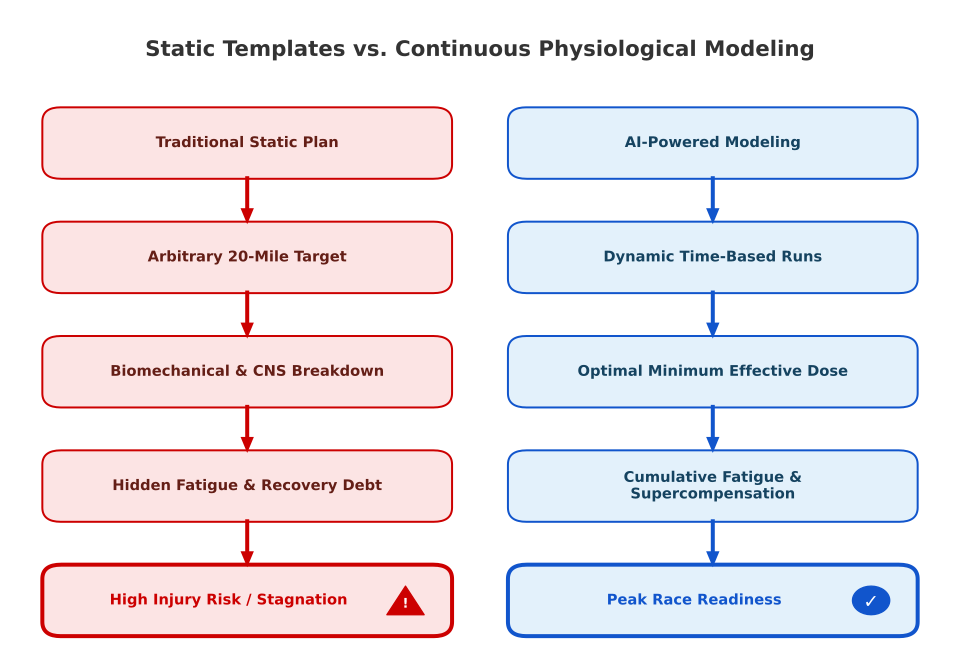
Conclusion
The 20-mile marathon long run is a dangerous relic of a bygone coaching era. It is an arbitrary milestone, born from the unique biology and extreme volumes of elite athletes, which has been irresponsibly grafted onto the training plans of everyday runners.
When analysed through the rigorous lens of modern sports science, the 20-mile run fails every test of physiological efficacy for the non-elite athlete. It pushes the body past the 150-minute point of diminishing returns, offering no further mitochondrial or cardiovascular benefits. Instead, it invites exponential musculoskeletal damage, alters gait biomechanics, spikes injury hazard ratios, and plunges the central nervous system into a deep state of hidden fatigue that can sabotage an entire training block.
The future of endurance performance does not lie in enduring more pain for the sake of psychological comfort. It lies in the intelligent application of stress. By embracing cumulative fatigue, capping long runs by time rather than distance, and utilising advanced physiological modelling to discover the true Minimum Effective Dose, runners can completely neutralise the "too much, too soon" problem. TrainAsONE's core philosophy proves that a smarter, safer, and highly individualised approach builds elite endurance without the elite injury risk. Train smart, race fast. Speed is optional, safety is mandatory.
Works Cited
(correct as of date of publication - March 10, 2026)
- Science Says The Smartest Marathon Plan Is To Ditch The 20 Mile Long Run
- The Long Run - Science of Ultra
- Do You Really Need to Cap Your Long Run at 3 Hours?
- Fatigue-Related Biomechanical Changes During a Half-Marathon Under Field Conditions Assessed Using Inertial Measurement Units - MDPI
- Effect of Running-Induced Fatigue on Tibial Acceleration and the Role of Lower Limb Muscle Strength, Power, and Endurance - PubMed
- Recovering from a marathon: What really happens After 42.2K - Skyline Run Coaching
- How much running is too much? Identifying high-risk running sessions in a 5200-person cohort study - PMC
- Unleashing Your Potential: Are You Training Hard or Just Training Tired?
- Long Runs Over 18 Miles: Do You Really Need Them for Marathon Training? - Runlovers
- The Long Run – myths, science, and why not everyone should run 20-milers
- Metabolic Factors Limiting Performance in Marathon Runners - Our journal portfolio - PLOS
- Time on feet or weekly miles : r/ultrarunning - Reddit
- The Long Run really is all about time on legs, slow down. - runbkrun
- Injury patterns and healthcare utilisation by runners of the New York City Marathon
- The “20-mile” myth - Big Red Running
- Marathon Training: At What Pace and How Long Should Your Long Runs Be?
- Thoughts about 20+ mile training runs? : r/Marathon_Training - Reddit
- The Effect of Different Exercise Regimens on Mitochondrial Biogenesis and Performance
- Intensified Endurance Training and Effects on Mitochondrial Function
- Metabolic stress-dependent regulation of the mitochondrial biogenic molecular response to high-intensity exercise in human skeletal muscle - PMC
- They say running more than 2.5 hours is worthless...so if that's the case, how are slow runners supposed to do long runs for a marathon? - Reddit
- Effects of Central and Peripheral Fatigue on Impact Characteristics during Running - PMC
- Effects of Fatigue on Running Mechanics Associated with Tibial Stress Fracture Risk
- The Acute Influence of Running-Induced Fatigue on the Performance and Biomechanics of a Countermovement Jump - MDPI
- Does fatigue influence joint-specific work and ground force production during the first steps of maximal accelerative running? - bioRxiv.org
- Biomechanical Changes and the Time Course of Recovery in Lower Extremities of Recreational Runners Following a Simulated Treadmill Half-Marathon - PMC
- Research progress on exercise fatigue from the perspective of fatigue biomarkers - PMC
- Effects of different recovery strategies following a half-marathon on fatigue markers in recreational runners - PMC
- The week after running a marathon: Effects of running vs elliptical ...
- Scalable Readiness Monitoring in Tactical Populations: From Elite Sport to the Fireground
- 6 Ways to Stay Motivated for Training When Progress Feels Slow | BOXROX
- Training for Long Distance Athletes - ResearchGate
- Leveraging Artificial Intelligence to Enhance Athletic Performance and Injury Prevention in Sports Science - IJSDR
- Rethinking Acute to Chronic Workload for Pitchers - ArmCare
- Weekly Running Volume and Risk of Running-Related Injuries Among Marathon Runners - PMC
- Is the 20-Mile Long Run Right for You?
- Discerning between cumulative fatigue and overtraining - Luke Humphrey Running
- Why does Hanson's not have a 20m long run? + What should my goal pace be? - Reddit
- Muscle fibre recruitment can respond to the mechanics of the muscle contraction - PMC
- Race Faster by Recruiting More Muscle Fibers (the "Muscle Approach") - Strength Running
- Muscle Fiber Type Transitions with Exercise Training: Shifting Perspectives - PMC
- Minimum Effective Dose Vs. Maximum Effective Dose - Endurance Explained
- Minimum Effective Dose: How Much Should You Train To Get Faster? - TrainerRoad Blog
- The minimum effective training dose required to increase 1RM strength in resistance-trained men: A systematic review and meta-analysis - Southampton Solent University
- Maintaining Physical Performance: The Minimal Dose of Exercise Needed to Preserve Endurance and Strength Over Time - PubMed
- Resistance Exercise Minimal Dose Strategies for Increasing Muscle Strength in the General Population: an Overview - PMC
- Minimum Effective Dose for maintaining speed and fitness during winter - Reddit
- The Cumulative Impacts of Fatigue during Overload Training Can Be Be Tracked Using Field-Based Monitoring of Running Stride Interval Correlations